



Spain Could Add 500,000 New Homes: A Major Opportunity for the Real Estate Market
Spain Could Add 500,000 New Homes: A Major Opportunity for the Real Estate Market
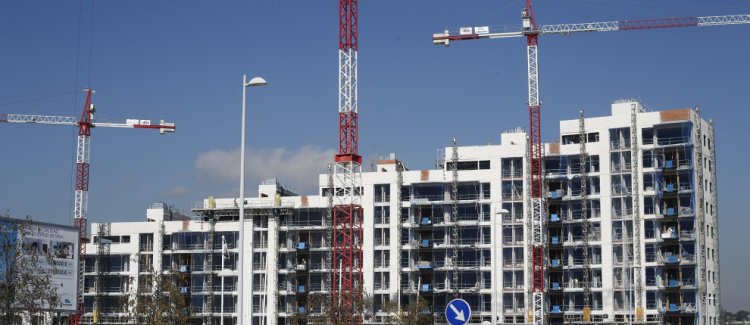
The Spanish real estate market is preparing for a major boost. According to the Ministry of Housing and Urban Agenda, large urbanized land developments across the country have the capacity to accommodate up to 500,000 new homes, a figure that could mark a turning point in Spain’s residential supply.
This data was announced by Miguel Baiget, Deputy Director General for Land and Information at the Ministry, during the conference “Meeting of Producers and Users of Real Estate Statistics,” and forms part of a new official study to be published in the coming days. The report analyzes large residential sectors with developments of more than 1,000 housing units, opening the door to large-scale projects in strategic locations.
A Key Boost for Buyers, Investors, and Developers
This urban development potential represents a historic opportunity to increase the supply of new housing, especially in high-demand areas where product shortages have pushed prices upward. For buyers, it means more options and greater variety. For investors and developers, it creates an ideal scenario for new real estate developments with strong profitability potential.
The announcement comes at a pivotal moment for the sector, driven by the growth of the rental market, sustained demand, and the urgent need to expand the housing stock in a planned, modern, and sustainable way.
More Transparency and Better Data for a Stronger Market
The Government has also focused on improving the quality of real estate information. Spain’s Secretary of State for Housing, David Lucas, highlighted the creation of a public real estate statistics system with reliable, standardized, and accessible data across the country.
This initiative aims to strengthen market confidence and provide greater security for all stakeholders: buyers, sellers, owners, tenants, and investors. To achieve this, the Government is reinforcing partnerships with the Bank of Spain and the National Statistics Institute (INE), as well as promoting the newly created Housing Advisory Council.
The 2026–2030 State Housing Plan: A New Chapter for the Sector
One of the key pillars of this strategy will be the State Housing Plan 2026–2030, which is about to be launched. The plan includes the creation of a major housing and rental market database, enabling more effective public policies and offering greater stability and predictability for the real estate market.
“Our objective is to have robust, comparable, and transparent information that allows better planning and guarantees the right to decent, adequate, and affordable housing,” said David Lucas.
The INE Modernizes Real Estate Statistics
The INE is already working on the 2026 European Census and on a new regulation that will establish a common benchmark for data on housing prices and real estate activity, including the commercial segment.
In addition, a Technical-Sectoral Committee on Real Estate Statistics will be created, with the mission of modernizing and improving data quality within the framework of the National Statistical Plan 2029–2032.
What Does This Mean for the Future of the Real Estate Market?
The forecast of up to 500,000 new homes opens a new phase full of opportunities for the Spanish real estate sector. More supply, greater transparency, and better data translate into a more balanced, competitive, and attractive market for both domestic and international buyers.
Commercial Conclusion
Spain is heading into a new phase of real estate growth. The development of large urbanized land, together with greater data transparency and new public policies, creates an ideal environment to invest in, buy, or develop property over the coming years.
If you are thinking about buying, investing, or selling a property, now is the time to get informed and get ahead of this new real estate cycle.
CATEGORIES
LATEST NEWS


 Contact us