


Daylight Saving Time in Spain 2026: how it impacts the real estate market and home living
Daylight Saving Time in Spain 2026: how it impacts the real estate market and home living
The arrival of spring doesn’t just transform Spain’s landscapes—it also marks a key moment for the real estate sector. With longer daylight hours, properties become more attractive, viewings increase, and buyer interest rises. In this context, the switch to Daylight Saving Time (DST) in 2026 becomes especially relevant for homeowners, investors, and prospective buyers.
When does the time change in Spain in 2026?
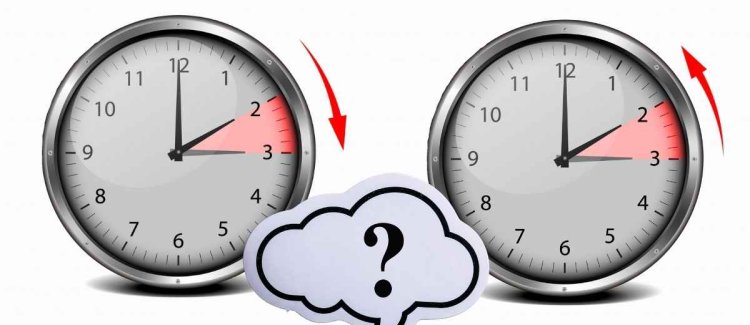
In 2026, Spain will switch to Daylight Saving Time on Sunday, March 29, as is customary on the last Sunday of March. During the early hours of Saturday night into Sunday morning, clocks will move forward by one hour.
At 2:00 a.m., clocks will jump to 3:00 a.m., resulting in a shorter night but longer, brighter evenings—an important factor in how properties are perceived and valued.
More daylight, more value: the impact on real estate
From a real estate marketing perspective, increased natural light directly enhances:
- The sense of space and comfort within a property
- Online listing performance, as brighter images attract more clicks
- Buyer decision-making, with homes appearing warmer and more energy-efficient
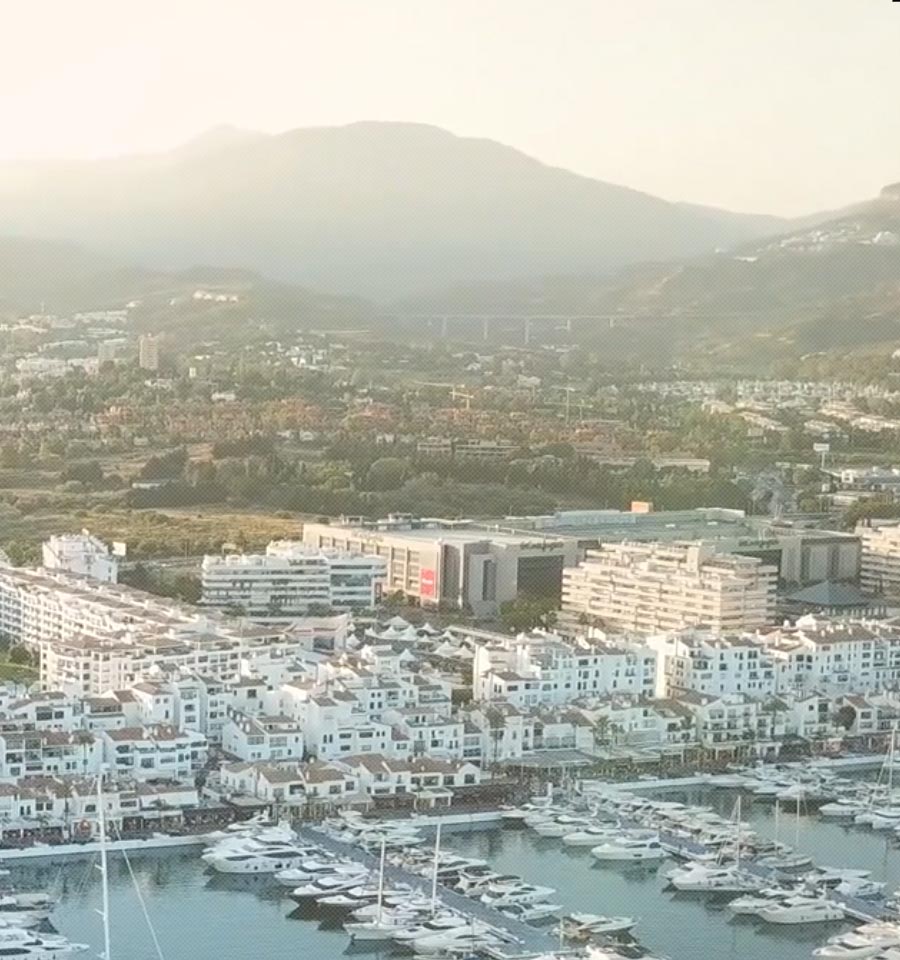
This seasonal shift typically boosts market activity, especially in coastal areas and high-demand destinations like the Costa del Sol, where natural light is a major selling point.
The origin of time changes in Spain
Spain first adopted the time change in 1918, following a broader European trend aimed at optimizing daylight use during World War I. However, it wasn’t until the 1970s oil crisis that the practice became more consistent, driven by energy-saving objectives.
Since the 1980s, time changes have been coordinated across the European Union, ensuring alignment in economic and social activities between member states.
Will the time change be abolished?
The debate over eliminating Daylight Saving Time remains ongoing in Europe and has implications for the real estate sector, particularly in terms of energy efficiency and household consumption patterns.
Although proposals have been made to establish a fixed time year-round, no final decision has been reached. In Spain, the official calendar includes scheduled time changes at least until 2026, pending any future agreements at the European level.
A key moment for homeowners and investors
The time change is more than just adjusting clocks—it’s a strategic opportunity in real estate. More daylight means more viewings, better property presentation, and potentially higher demand.
If you’re planning to sell or rent, spring and Daylight Saving Time work in your favor. Leveraging this period can make a significant difference in both the speed of closing and the perceived value of your property.
CATEGORIES
LATEST NEWS



 Contact us